When dealing with blood contamination, multiple applications of cleaning solution may be required for complete removal.
In severe cases, the use of a water claw or similar subsurface extraction tool may be necessary to fully flush out staining and residues.
Step 1: Spot Treatment of Heavy Areas
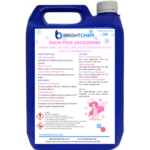
Mix High Power WS Pre-Spray at a ratio of 30ml per litre of water.
Apply the mixed solution directly onto heavy or visibly stained areas using a controlled spray.
Allow a short dwell period, then extract using High Power WS Neutraliser (Acidic Rinse) mixed at 30ml per 10 litres of clean water in your extraction machine.
Repeat this process as required until the worst contamination is removed.
Step 2: General Pre-Spray Application
Prepare a fresh solution of High Power WS Pre-Spray at 30ml per litre.
Apply a heavy, even coat across the affected carpet area, ensuring full coverage.
Allow the pre-spray to dwell for approximately 15 minutes to effectively break down remaining residues.
Tip: Do not allow the pre-spray to dry during dwell time. Lightly mist additional solution if needed to maintain dampness.
Step 3: Agitation
Once the dwell period is complete, agitate the carpet fibres using a mechanical scrubbing tool such as a CRB or rotary machine.
This helps lift embedded soils and improves overall cleaning effectiveness.
Step 4: Rinse Extraction
Mix High Power WS Neutraliser (Acidic Rinse) at 30ml per 10 litres of clean water in the extraction machine’s solution tank.
Rinse extract the entire treated area thoroughly, ensuring all residues and contaminants are removed.
Use slow, even passes to avoid over-wetting and achieve a balanced clean.
Optional: For deeper contamination or blood penetration into the underlay, use a water claw tool to draw out moisture and staining from below the carpet surface.
Step 5: Finishing and Drying
Once extraction is complete, groom the carpet pile to restore texture and appearance.
Ensure the area is well ventilated and allow it to dry completely before returning to use.